The truth about NLP, separated from the nonsense sold as “NLP”.
Test what you actually know about Neuro-Linguistic Programming and check whether an NLP trainer actually teaches NLP correctly. Two rigorous questionnaires. Two public leaderboards. No belief required.
Myth vs. what actually holds up
NLP is a proven science
NLP is a modelling discipline, not a science. It is powerful, but it is not psychology in a lab coat.
You must believe in it for it to work
If a technique only works once you believe, that is faith — not method. Real NLP can be tested.
Anyone can call themselves a Master Trainer
Genuine trainers hold a license. 'Trust the process' is not a certification.
NLP therapy fixes everything
NLP is not therapy, and claims that it 'works for everyone or solves anything' are a red flag.
Recent evidence & analysis

The truth about NLP and science
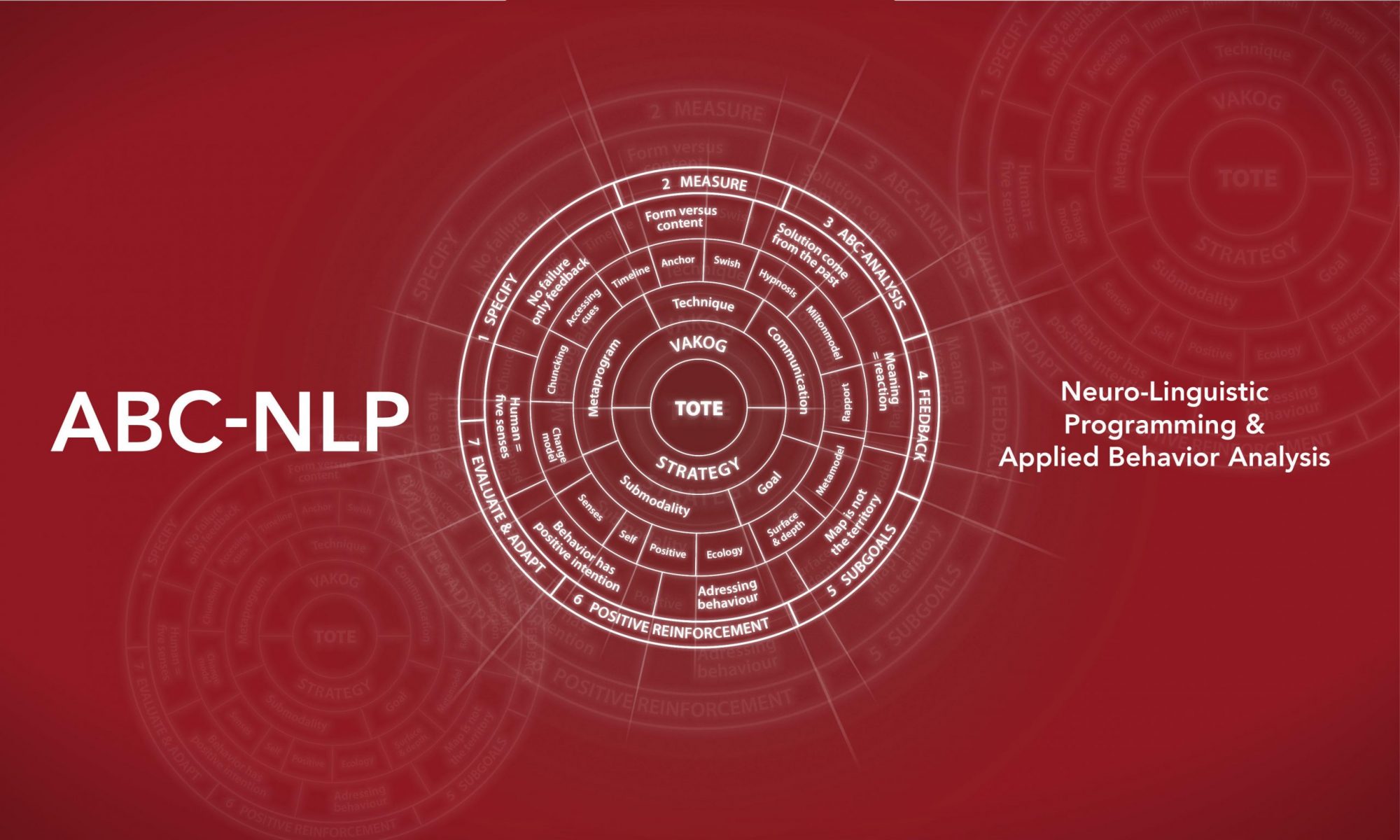
NLP heeft een moeizame relatie met de wetenschap doordat een eenduidige wetenschappelijke theorie ontbreekt en de kwaliteit van NLP-opleidingen sterk varieert. Onderzoek richt zich vooral op losse onderdelen, waarbij onvoldoende onderscheid wordt gemaakt tussen NLP als methode om gedrag in kaart te brengen en de praktische toepassing daarvan. De verantwoordelijkheid hiervoor ligt bij NLP trainers, die vaak onvoldoende kennis hebben en uiteenlopende versies van NLP onderwijzen. Ook wordt hypnose, een belangrijk onderdeel van de praktische uitvoering van NLP, in veel opleidingen onvoldoende behandeld. Het wetenschappelijke bewijs voor hypnose bewijst niet dat NLP werkt, maar biedt wel aanleiding om NLP degelijk te onderzoeken. ABC-NLP combineert NLP met Toegepaste Gedragsanalyse en biedt daarmee een theoretische basis voor gedegen wetenschappelijk onderzoek naar NLP.
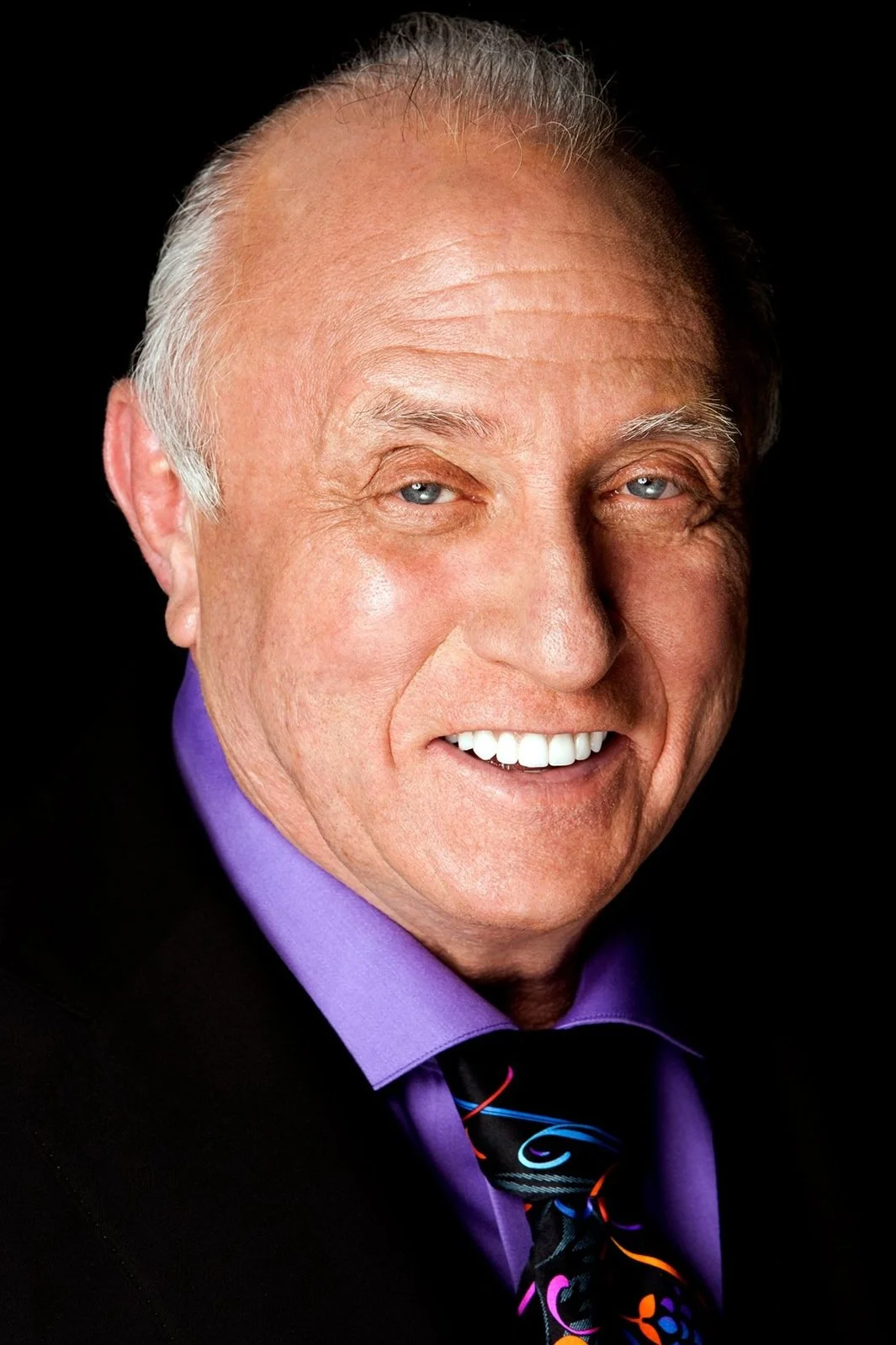
The Truth About Richard Bandler and the History of NLP
Richard Bandler developed NLP out of his interest in philosophy and the systematic mapping of human behavior. His central insight was that successful therapists did not need a special gift: their methods could be studied, shared, and taught. By studying the work of Fritz Perls, Virginia Satir, and Milton Erickson, Bandler discovered patterns in therapeutic behavior, language use, and influence. John Grinder initially helped primarily by naming language patterns. The article regards Bandler as the central developer and argues that Grinder’s contribution to modern NLP is limited. Hypnosis became increasingly important in Bandler’s explanation of therapeutic success. According to the article, he used the name Neuro-Linguistic Programming to circumvent restrictions on teaching hypnosis. Following conflicts with the university, Bandler and Grinder continued independently, studying and teaching successful behavioral patterns and hypnosis.
The truth about weaponizing the metamodel
The Meta Model is normative: it sets requirements for language that helps people communicate clearly and achieve their goals. Violations are only relevant when they hinder someone in doing so. Constantly correcting people in everyday conversations is therefore pointless; when clarification is needed, subtle questions are a better approach. Stricter standards apply to NLP trainers. They must be able to both practise and understand NLP and explain its core clearly, without relevant and significant Meta Model violations. That core includes the TOTE model, strategies, modalities, submodalities, metaprograms, goals, communication, and techniques. **Holding trainers accountable to these standards safeguards the quality of NLP education.** The Meta Model helps distinguish between communication that clarifies, deliberate influence, and unconscious confusion.